Filling the Gaps: How Hydrogen is Shaping the Energy Shift
Global Markets
The energy transition is not only about adding more solar panels or wind farms. Some parts of the energy system are harder to change, especially heavy industry, long-distance transport, and large-scale energy storage.
These areas need energy that is dense, reliable, and available at all times. That is where hydrogen starts to make sense.
Hydrogen is not a cure-all. It will not replace electricity or renewables. But in places where batteries and direct electrification fall short, hydrogen can fill specific gaps. This is no longer just a theory. Governments, utilities, and industrial companies are funding real projects to test where hydrogen works and where it does not.
Decarbonizing Heavy Industry
Heavy industry remains one of the hardest parts of the global economy to clean up. Global hydrogen demand reached almost 100 million tonnes in 2024 and is expected to surpass that milestone in 2025, driven mainly by refining and traditional industrial uses rather than new low-carbon applications. Despite this growth, less than 1% of hydrogen production today is low-emissions hydrogen, meaning most hydrogen still comes from fossil fuels.
Steel, cement, chemicals, and oil refining together account for a large share of industrial carbon emissions. These industries need high-temperature heat and chemical reactions that electricity alone cannot easily provide, making hydrogen one of the few viable alternatives.
Hydrogen can replace coke in steelmaking to remove oxygen from iron ore and generate heat without direct CO₂ emissions. Pilot plants in Europe and Asia are already using hydrogen-based direct reduced iron (DRI) processes, and Europe's hydrogen projects in steel and other applications are now among the largest post-FID (final investment decision) low-carbon hydrogen investments in industry.
Hydrogen also plays a role in chemicals. Ammonia and methanol production use hydrogen as a key feedstock, not just a fuel. Here, using low-carbon hydrogen can avoid significant emissions compared with conventional methods, especially as global fertilizer demand grows with population and food production needs.
One practical detail often overlooked is timing. Industrial plants are replaced or upgraded very slowly, sometimes only once every few decades. If low-carbon hydrogen is not available when decisions are made, fossil-based systems get locked in for many years.
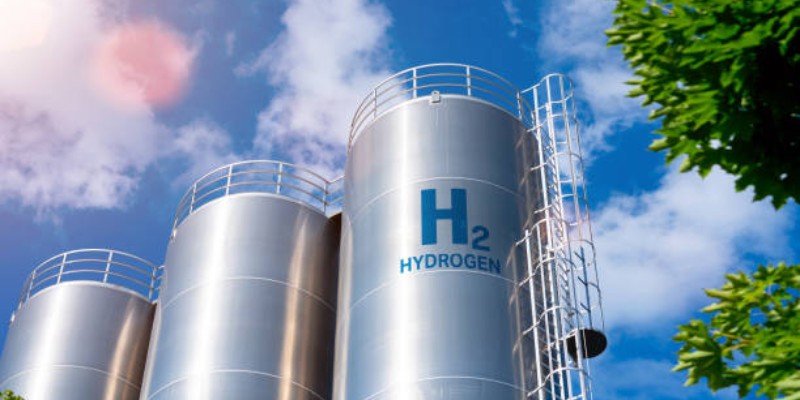
Enabling Clean Fuel for Long-Distance Transport
Battery electric vehicles work well for cars and many short trips. For long distance trucking, shipping, and aviation, batteries face limits in weight, charging time, and range. Hydrogen offers an option where downtime is costly and vehicles must stay in service.
Modern fuel cell trucks can refuel in about 10 to 15 minutes and achieve ranges above 600 kilometers on a full tank. Trials in Europe, China, and California show they are most practical on fixed routes with centralized refueling infrastructure.
For shipping, hydrogen is often used indirectly through hydrogen-derived fuels. From 2027, major shipping companies plan to use large volumes of low-emission e-fuels such as ammonia and e-methanol, both derived from hydrogen, to lower maritime CO₂ emissions.
Ammonia made from hydrogen is attractive for ocean vessels because it is easier to store and transport than pure hydrogen. The International Maritime Organization has identified ammonia as a key fuel pathway to help reduce emissions in international shipping.
Aviation is more challenging. Pure hydrogen is unlikely to power large aircraft in the near term due to weight and storage constraints, so its more realistic role today is in producing sustainable aviation fuels that can lower lifecycle greenhouse gas emissions without new aircraft designs.
A useful rule of thumb is this: hydrogen works best where vehicles are large, routes are predictable, and energy demand is constant. It struggles where infrastructure is scattered or volumes are small.
Hydrogen matters not because it can solve every energy problem, but because for some transport segments, especially maritime and heavy freight, there are few other realistic low-emission options with current technology.
Storing Renewable Energy at Scale
Solar and wind energy production is rising fast, but output varies with weather and time of day. One meaningful way to store excess renewable energy over long periods is to turn it into hydrogen through electrolysis when renewables are abundant, then store the hydrogen. Hydrogen energy storage is a growing market, valued at roughly $17.6 billion in 2024 and expected to grow steadily after 2025 as more projects come online.
Unlike batteries, hydrogen does not lose energy quickly over time, which makes it suitable for seasonal or long-duration storage. Large underground salt caverns and similar formations can store very large amounts of hydrogen safely. Research shows salt caverns in regions with suitable geology could store hundreds of gigawatt-hours of energy once fully developed, helping balance supply and demand over weeks or months.
This helps stabilize grids with a lot of renewables. When wind or solar output drops, stored hydrogen can be converted back to electricity in turbines or fuel cells. In practice, operators often pair hydrogen storage planning with renewable build-outs rather than waiting, because planning and construction for both take years.
For regions without salt formations, alternative storage like aquifers or repurposed gas fields are being explored, though geology and cost determine feasibility. Building hydrogen storage ahead of need helps grids absorb longer periods of low renewable output and reduces curtailment of excess generation.
Supporting Grid Stability and Energy Security
Energy security is now a central focus given unstable fossil fuel markets and geopolitical tensions. Hydrogen provides a way for regions to generate energy from local renewable sources and store it until needed, reducing reliance on imports.
Hydrogen-powered turbines operate similarly to natural gas turbines, making them easier to integrate into existing utility operations. They can act as backup when electricity demand spikes or when renewable output dips. In some systems, blending hydrogen into existing turbine fuel supplies can extend life and reduce carbon intensity without major redesign.
For countries that lack domestic battery manufacturing, hydrogen provides a diversification opportunity. It lets grid planners avoid overreliance on a single storage technology and mix solutions to strengthen resilience. Smaller distributed hydrogen storage systems also help remote microgrids operate independently from large centralized grids.
Some smaller innovation projects are experimenting with mobile hydrogen storage units, which could serve temporary grid needs or provide quick backup during peak periods. These kinds of tools make hydrogen a flexible option for grid planners, not just a theoretical future solution.
Decarbonizing Heating in Hard-to-Electrify Areas
Electric heat pumps are efficient where climates and buildings are suitable, but not every building or region can use them comfortably. Older housing stock, dense cities, and some industrial processes require alternatives.
Blending hydrogen into existing gas networks is already underway in several places. Pilot programs have safely blended hydrogen with natural gas at levels around 18–25 percent in test networks, showing it can reduce carbon intensity without major changes to appliances.
While a 20 percent hydrogen blend does not eliminate emissions, it can reduce heating carbon output by around 7 percent in many systems without retrofitting furnaces. Incremental steps like this can help reduce emissions in buildings while electrification and deeper retrofits scale up.
For high-temperature industrial heat above about 400 °C, hydrogen can directly replace fossil fuels. Industries like glass, ceramics, and food processing often require consistent heat that electrification alone struggles to provide. In these settings, hydrogen can work within existing thermal systems with relatively minor equipment changes.
Creating a Flexible Energy Carrier Across Sectors
One of hydrogen's key advantages is versatility. It can act as fuel, a chemical feedstock, or a storage medium, linking electricity, transport, industry, and heating.
For example, renewable power often peaks at midday or during windy periods. Instead of letting that potential go unused, operators can use excess electrons to produce hydrogen. That hydrogen can later power trucks, supply industrial heat, or stabilize grids through fuel cells or turbines.
This cross-sector utility reduces waste and improves overall system flexibility. In some regions with abundant solar or wind resources, hydrogen can become an export product, turning local renewable advantages into economic value. Countries with strong solar or wind potential, particularly in parts of Africa and the Middle East, are exploring hydrogen exports much like traditional energy trade. Export planning still faces infrastructure and cost challenges, but it broadens market demand beyond domestic use.
From a practical standpoint, businesses looking to invest in hydrogen today should consider integrated uses - storage for grid balancing, combined heat and power applications, and transport fuel - rather than single-use cases. This allows hydrogen investments to serve multiple revenue streams.
Driving Innovation and New Industrial Value Chains
Hydrogen is reshaping parts of the energy economy, not just emissions profiles. Investments in hydrogen create new value chains around electrolyzers, fuel cells, storage, and transport infrastructure, supporting skilled job growth and technology exports.
Analysts project the global hydrogen energy storage and related markets will continue growing well beyond mid-decade, with sector expansion tied to industrial and utility adoption. By 2034, hydrogen energy storage alone could reach more than $34 billion in market value from 2025 levels.
Costs are falling as production and storage technologies improve. Electrolyzer manufacturing scale-ups and better system designs are lowering unit costs, though hydrogen from renewables remains more expensive than fossil-derived alternatives today. Continued policy support, cost transparency, and coordinated infrastructure development will help hydrogen plug into more applications.
For countries seeking economic diversification, hydrogen hubs - where production, storage, and end-use sectors co-locate - can attract investment and build regional growth centers anchored in cleaner energy systems. Hydrogen's role in these emerging industrial ecosystems reflects both energy transition goals and broader economic strategy.
Complementing, Not Replacing, Other Clean Technologies
A more realistic understanding of hydrogen is one that understands the limitations of hydrogen. Hydrogen is an energy-intensive fuel, which means it should be used in areas where it has the greatest value.
Hydrogen is used in the energy transition, and this is where it complements electrification, not competes with it. There are areas where electrification is the cheapest option, and this is where hydrogen comes in. Hydrogen will fill the gaps where electrification has failed. This means that the use of hydrogen will not complicate the clean energy transition.
Moving Hydrogen from Promise to Practice
The role of hydrogen in the energy transition is already visible, and the challenge is scale. There are still costs, infrastructure, and standards to align. There are still policies, contracts, and investments to continue. For businesses and governments, the next step is engagement.
We need to look for areas where hydrogen makes sense, support projects that bring down costs, and partner up. There will not be one energy transition solution, and hydrogen will continue to be an important part of the puzzle for decades to come.
Share this article:
Recommended For You





Most Viewed



ADVERTISEMENT